How to Get a Firearm License

How to Get a Firearm License

You’ve decided to purchase your first firearm, perhaps a Springfield Hellcat Pro for concealed carry or a CVA Scout for hunting. Before you can complete that transaction at Firearms Ohio, you need to understand the legal gateway: the license or permit required in your jurisdiction. In the United States, this process is dictated by state law, not federal, and the requirements vary dramatically from Ohio to New York.

Understanding the Terminology: License vs. Permit

First, clarify the language. Federally, there is no “firearm license” for general ownership. The National Firearms Act (NFA) governs items like suppressors and short-barreled rifles, requiring a tax stamp. For most common firearms, you’re dealing with state-level permits. A Concealed Handgun License (CHL) or Concealed Carry Weapon (CCW) permit allows concealed carry. A Firearm Owner’s Identification (FOID) card, like in Illinois, is required just to possess firearms or ammunition. In Ohio, you need a concealed handgun license to carry a concealed pistol. Knowing whether you need a permit to purchase, possess, or carry is your first critical step.

The Universal First Step: The Background Check

Regardless of state, the National Instant Criminal Background Check System (NICS) is the cornerstone. When you buy from a Federal Firearms License (FFL) holder like Firearms Ohio, this check is mandatory. The dealer submits your Form 4473, which asks about criminal history, drug use, and mental health adjudications. A “proceed” response means the sale can continue. Some states, however, require you to obtain a purchase permit or a state-issued license *before* you even attempt to buy, which involves a more thorough local background check through county sheriffs. This permit is then presented to the FFL.
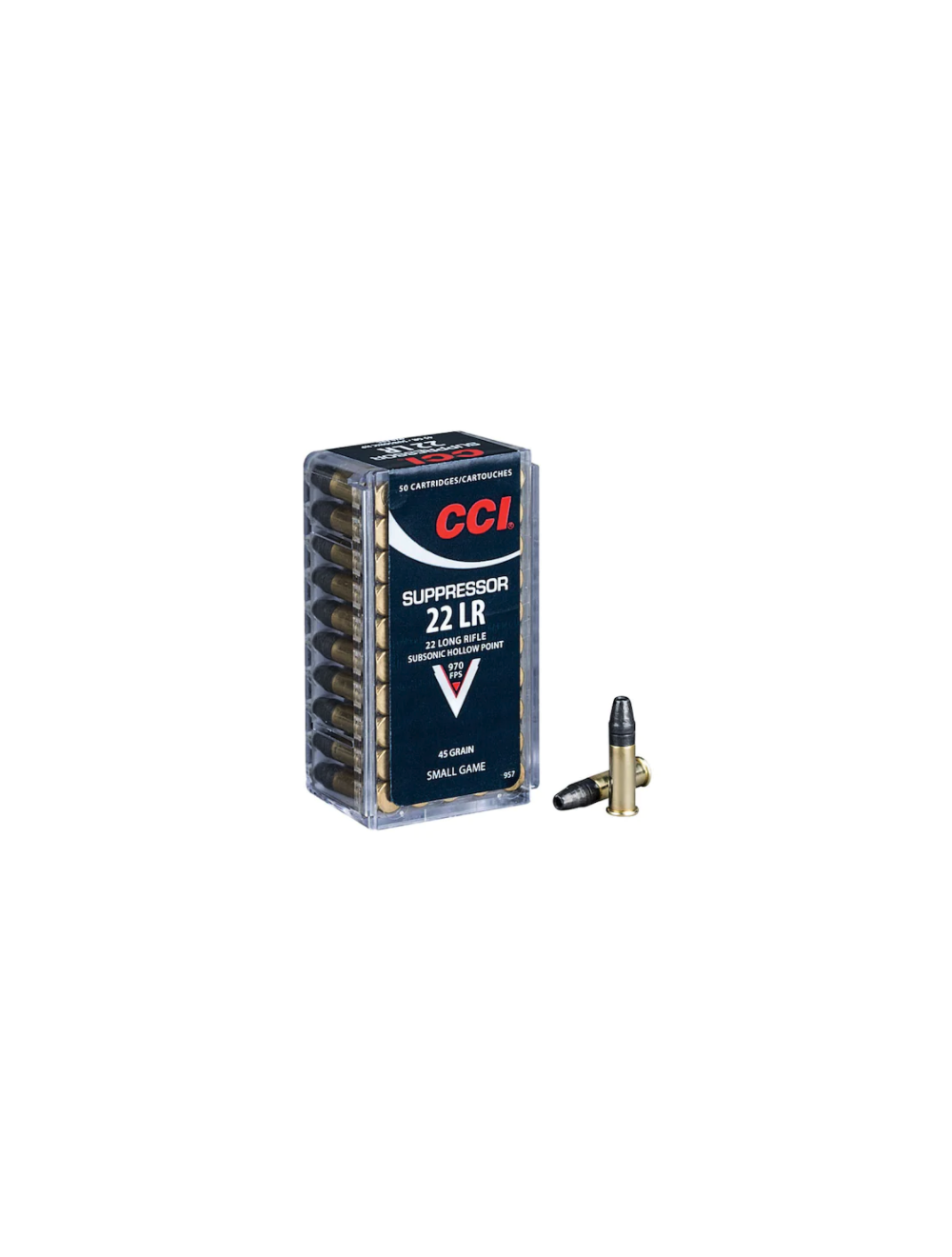
CCI Ammo Suppressor 22LR Subsonic Hollow Point 45gr, 970 FPS

Ohio’s Specific Process: The Concealed Handgun License

Let’s use Ohio as a working example, as it’s home base for Firearms Ohio. To carry a concealed handgun, you must obtain an Ohio CHL. The process isn’t complex but is specific. You must complete a state-approved training course of at least 8 hours, which includes live-fire qualification. Then, apply at your county sheriff’s office with the certificate, proof of residency, a passport-style photo, and the fee. The sheriff will run fingerprints and an extensive background check. Ohio is a shall-issue state, meaning if you meet all legal requirements, they must issue the license. This license also serves as an alternative to the NICS check for purchases, streamlining the process when you shop with us.
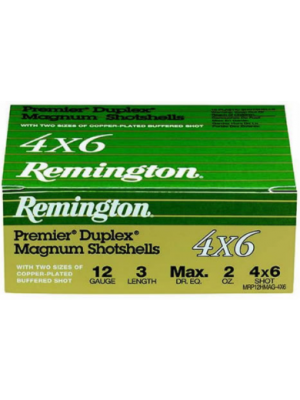
Remington Ammo Duplex Magnum Shotshells, 2-3/4
Remington Ammo Duplex Magnum Shotshells, 2-3/4″, 1-1/2oz, 4x

Navigating “May-Issue” and Restrictive States

Contrast Ohio with states like California or New York. These are “may-issue” jurisdictions for concealed carry, where local authorities have broad discretion to deny permits. They often require you to demonstrate “just cause” beyond self-defense. For simple possession, states like New York require a pistol permit just to own a handgun—a process involving applications, references, interviews, and long wait times. Some counties even restrict the specific models you can own. If you live in such a state, your first call should be to your local county sheriff’s office or police department to get their exact packet of requirements. Do this research *before* you even look at a specific Springfield Armory Magazine or firearm.

Springfield Armory Magazine Springfield Hellcat Pro 9mm Luge

Post-License: Ongoing Responsibilities and Reciprocity

Getting the license isn’t the end. You must know its limits. Your Ohio CHL, for instance, is valid for 5 years. You are responsible for renewing it. Crucially, you must understand reciprocity—which other states honor your license. Ohio has reciprocity with many states, but not all. Carrying in a state that doesn’t recognize your license is a felony. Furthermore, you must know where carrying is prohibited by law, such as federal buildings, schools, and private property with posted signage. The license is a responsibility, not just a privilege. Keep your training current and consider advanced courses to maintain proficiency with your chosen firearm, whether it’s a compact 9mm or a CVA Scout V2 hunting rifle.

Frequently Asked Questions

How do I get a firearm license in the US?

In the U.S., there is no federal firearm license for general ownership. You must comply with your state’s laws. Typically, this involves passing a federal NICS background check at the point of sale from an FFL dealer. For concealed carry, most states require a separate permit obtained through your county sheriff, which involves training, an application, fingerprinting, and a state-level background check. Always start by contacting your local law enforcement agency for specific requirements.

How do I get a gun license in India?

The process in India is extremely restrictive and entirely different from the U.S. You must apply for an arms license under the Arms Act of 1959, proving a “genuine threat to life” to authorities. The license is issued for specific firearms (like a .32 caliber revolver) and a limited number of cartridges per year. The application involves police verification, background checks, and is granted at the discretion of the licensing authority. It is not a right-based system.

How do I get a pistol license?

A pistol license usually refers to a permit to purchase, own, or carry a handgun. In “shall-issue” states like Ohio, you apply for a Concealed Handgun License through the county sheriff after completing required training. In restrictive “may-issue” states like New Jersey, you must first obtain a permit to purchase and a separate permit to carry, both of which require demonstrating just cause and are often denied for general self-defense. The specific pistol model may also need to be listed on your permit.

Browse our firearms collection

Last updated: March 27, 2026
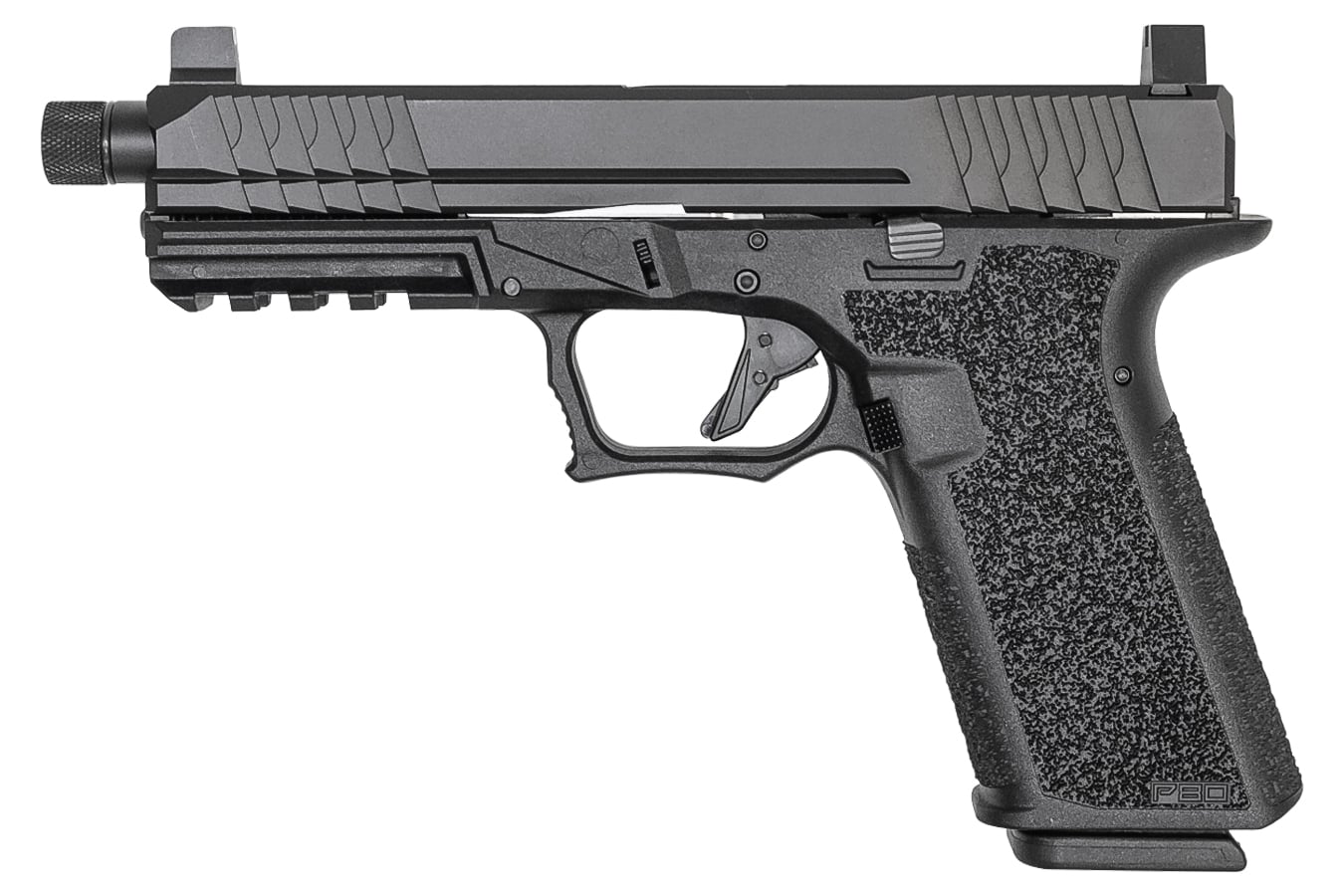
How to Get a Firearm Safety Certificate

How to Get a Firearm Safety Certificate

How to Get a Firearm Safety Certificate

Every year, over 500 accidental firearm deaths occur in the U.S. The vast majority are preventable. A Firearm Safety Certificate (FSC) isn’t just a bureaucratic hurdle; it’s a foundational block of responsible ownership, designed to ensure you understand the mechanics and the mindset required to handle a gun safely before you ever take one home.

What a Firearm Safety Certificate Actually Is

A Firearm Safety Certificate is a state-issued document, most commonly associated with California, that demonstrates you’ve passed a written test on firearm safety and law. It’s required to purchase or receive a firearm in those states. The test isn’t about marksmanship; it’s about safe handling, storage, and legal responsibility. You’ll be tested on the four universal safety rules, state-specific laws regarding transportation and use, and the operational mechanics of different action types—like the difference between a semi-automatic like a Glock 19 and a break-action shotgun. Think of it as a driver’s permit for firearms. At Firearms Ohio, we see the FSC as a bare-minimum starting point for any new gun owner, regardless of their state’s legal requirements.

The Core Safety Rules You Must Memorize

These aren’t suggestions; they are absolutes. First: Treat every firearm as if it is loaded. Always. Even after you’ve cleared it. Second: Never point the muzzle at anything you are not willing to destroy. This is called muzzle discipline, and it applies whether you’re at the range or dry-firing at home. Third: Keep your finger off the trigger and outside the trigger guard until your sights are on target and you have made the decision to fire. This prevents negligent discharges. Fourth: Be sure of your target and what is beyond it. A .223 round can travel over a mile. Knowing what your ammunition is capable of is part of this rule. These rules work in layers; violating one dramatically increases the risk of a catastrophic failure.

Remington Ammo Duplex Magnum Shotshells, 2-3/4
Remington Ammo Duplex Magnum Shotshells, 2-3/4″, 1-1/2oz, 4x

How to Prepare for and Pass the FSC Test

Start by obtaining the official state handbook—California’s is free from any firearms dealer. Don’t rely on hearsay. Study chapters on safe handling, storage (especially laws regarding child access prevention), and transportation. The test is 30 multiple-choice questions, and you need a 75% to pass. Questions cover topics like the correct way to check if a firearm is unloaded (visually and physically inspect the chamber), the legal minimum age for possession, and identifying firearm actions. Hands-on familiarity helps immensely. If you can, handle an unloaded firearm under supervision to practice safe checking procedures. Many local ranges and instructors, like those we recommend to Firearms Ohio customers, offer brief orientation sessions that align perfectly with this test’s practical elements.

CCI Ammo Suppressor 22LR Subsonic Hollow Point 45gr, 970 FPS

Safe Storage and Legal Responsibilities

Passing the test is one thing; applying it daily is another. Safe storage is non-negotiable. This means using a California-DOJ-approved safety device on the firearm itself and/or storing it in a locked container or safe. For a home defense handgun like a Springfield Hellcat Pro, this might mean a quick-access biometric safe bolted to your nightstand. For long-term storage of a hunting rifle, a sturdy locking case or gun safe is required. Legally, you are criminally liable if a minor gains access to an improperly stored firearm. Furthermore, you must know the laws on where you can and cannot carry—even unloaded transportation in a vehicle has specific rules. Your certificate is proof you were taught this; ignorance won’t be a defense.

Springfield Armory Magazine Springfield Hellcat Pro 9mm Luge

Beyond the Certificate: Continuing Your Education

The FSC is a license to learn, not a declaration of expertise. Your next step should be formal, hands-on training. Seek out a certified NRA or state-qualified instructor for a basic pistol or rifle course. This is where you’ll learn proper stance, grip, sight alignment, and trigger control on a live range under direct supervision. Consider a course specific to your firearm’s purpose, whether that’s defensive handgun, long-range precision with a rifle like a CVA Scout, or hunter safety. Regular practice is key. Safety becomes muscle memory only through repetition. We encourage all Firearms Ohio clients to view their purchase as the beginning of an ongoing training journey.

Frequently Asked Questions

What is a Firearm Safety Certificate?

A Firearm Safety Certificate (FSC) is a state-issued pass certificate, primarily in California, proving you passed a written test on firearm safety laws and safe handling procedures. It is legally required to purchase or receive a firearm in such states. It validates basic knowledge, not shooting proficiency.

How do I get a Firearm Safety Certificate?

You must visit a state-certified firearms dealer (FFL). You’ll provide ID, pay a $25 fee, take a 30-question written test, and pass with a score of at least 75%. Upon passing, the dealer issues your FSC card immediately. You must have this physical card with you to complete a firearm purchase.

How do I renew a firearm safety certificate in California?

The California FSC does not renew; it expires after 5 years. When it expires, you must retake and pass the entire written test again at a certified dealer to obtain a new certificate. There is no shortcut or renewal process; you undergo the same procedure as a first-time applicant.

Browse our firearms collection

Last updated: March 27, 2026